How will Awaab's law affect landlords?





From 27th October 2025, social landlords will have the legal obligation to respond to mould problems with in fixed time frames - lets explore why this is coming into place and how we can help.
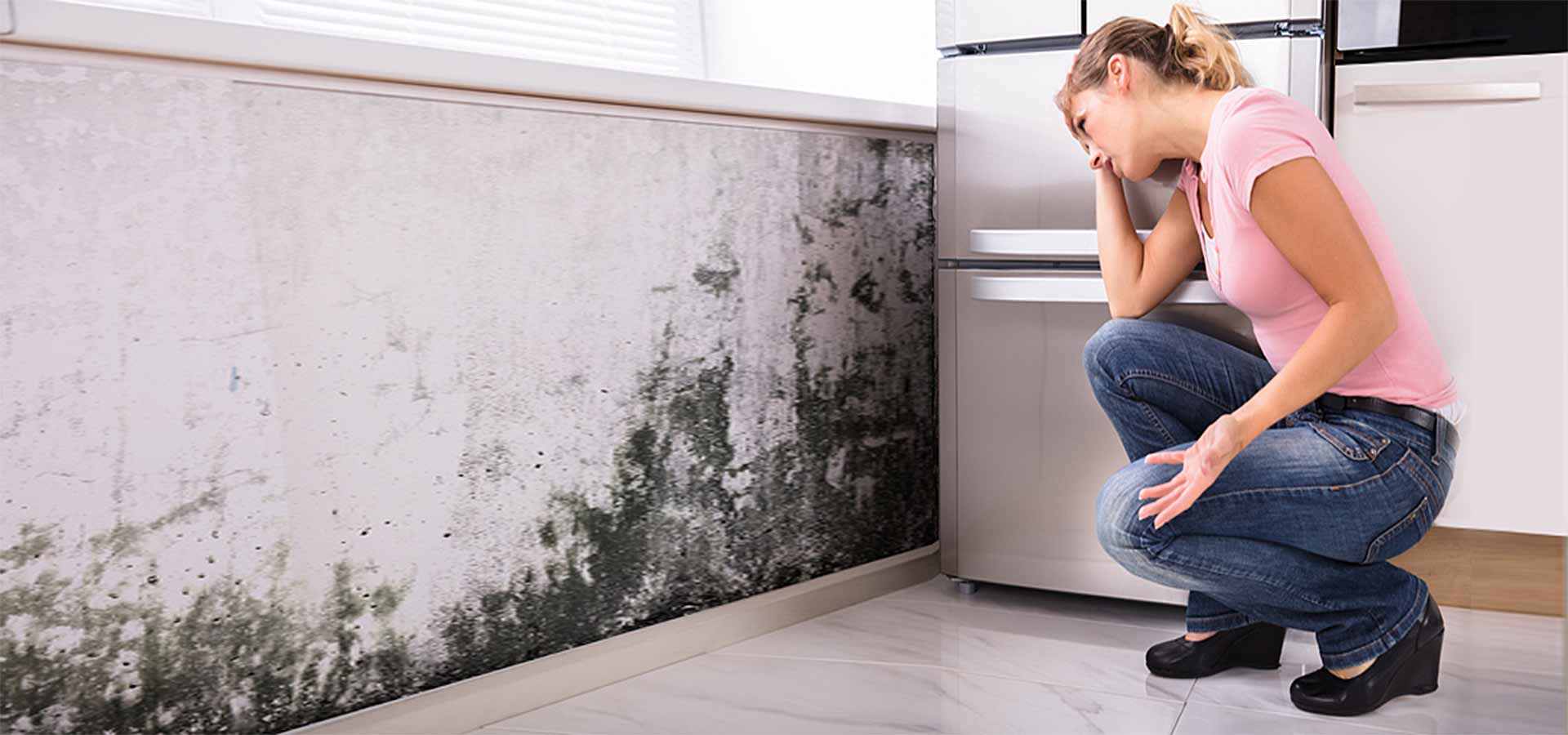
Awaab's law has been enacted in response to the sad death of a 2 year old boy. Awaab Ishak and his family were exposed to high levels of black mould in their social housing home. This prolonged mould exposure resulted in a severe respiratory condition which caused his death. Although the family complained to the social landlord for 3 years, no action was taken. Awaab's law now sets out an agreement which means that social housing landlords must take action on any hazardous living conditions with a strict timescale. It also sets out the legal basis for tenants to claim compensation if these guidelines are not followed.
The first stage of the enactment of Awaab's law sets out the basis for landlords to act on all emergency hazards and all damp and mould issues that present significant risk of harm to tenants. Further legislation within Awaab's law will come in from 2026 and more in 2027 meaning an ongoing commitment to improving the safety of social housing.
The regulations mean that landlord must:
Investigate any potential emergency hazards within 24 hours and undertake relevant safety work as soon as reasonably practicable, within 24 hours of being made aware of them. This would include acting on severe mould, to make the area safe and begin remedial work.
Potential significant hazards must be investigated within 10 days of being made aware.
A written summary must be produced within 3 days of the conclusion of the work
Significant remedial works must be started within 12 weeks
Keeping the tenant updated throughout the process and provide information on how to keep safe
In setting out timelines for these works Awaab's law makes provision for mould not only to be treated and cleaned but for the root causes of recurring mould to be investigated and fixed. Inadequate ventilation, leaks and structural issues that are the root cause of mould will be required to be investigated. Recurring mould issues need more work than just cleaning can provide. The law also includes provision for tenants to be given alternative accommodation, at the landlord expense, if relevant safety work cannot be completed within the deadlines.
What are the implications for the cleaning industry?
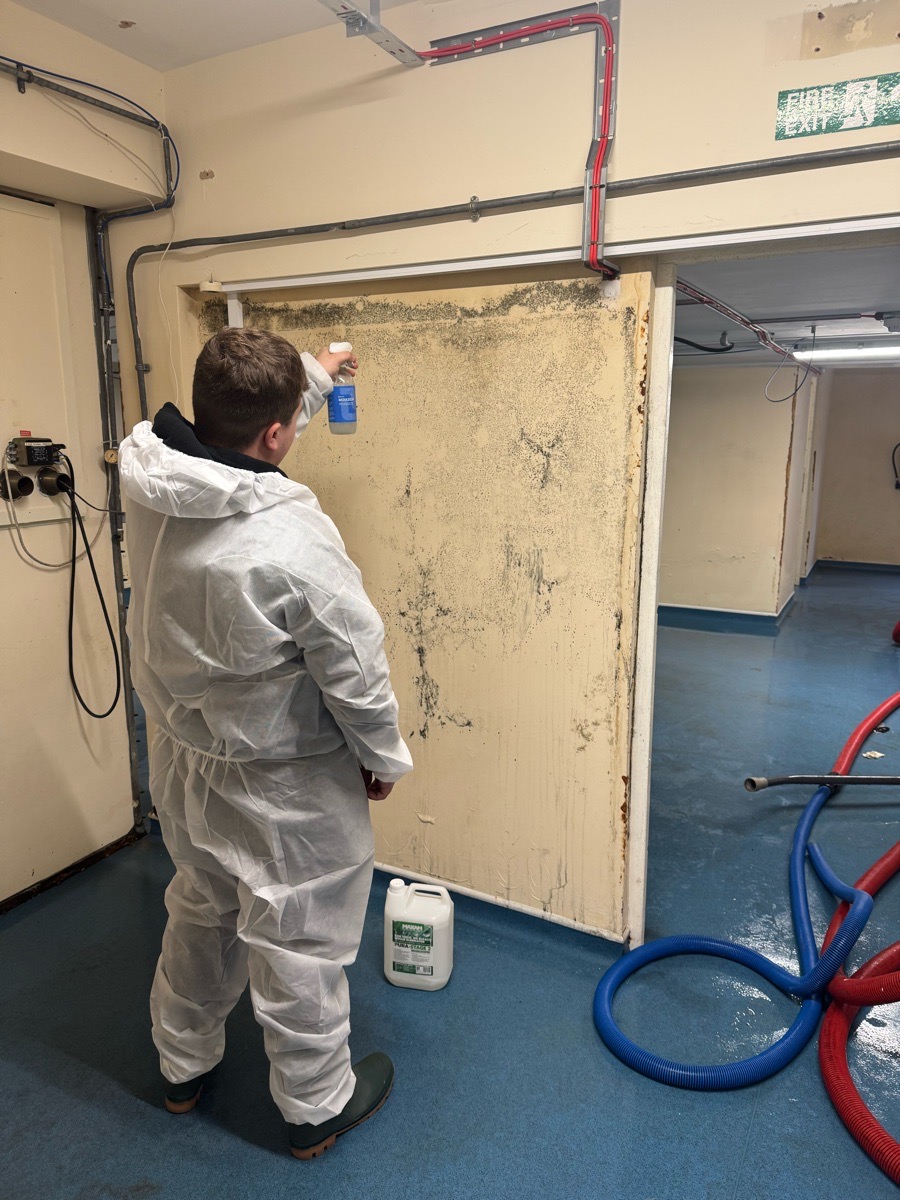
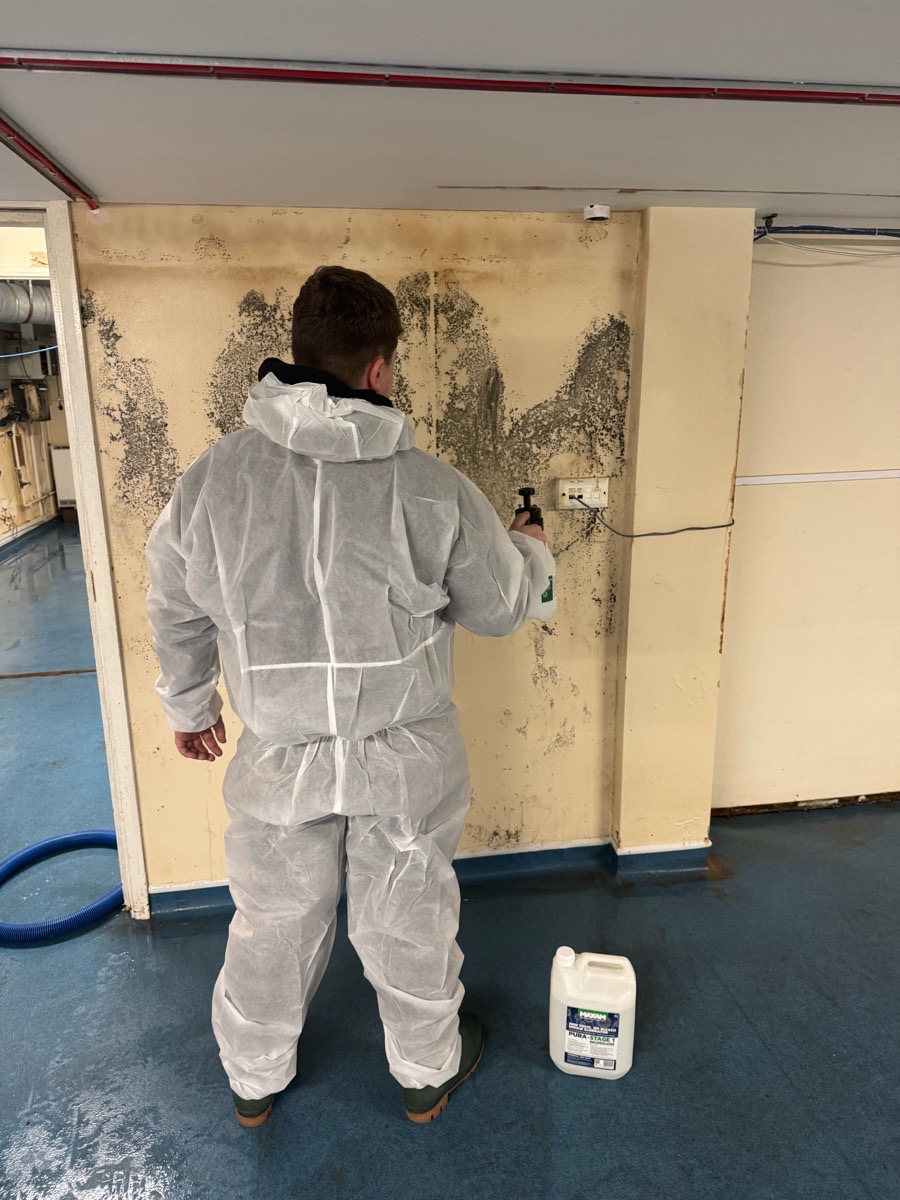
Can cleaning industry providers keep up with the increased demand and fast response times required? As cleaning providers we need to see this as an opportunity to grow. Our reputations within the industry are at stake. Clients will need to see a proven record of reliability, so acting fast for reactive works will be a competitive advantage.
Cleaning providers will also need to provide specific documentation and reporting to comply with the new law. This means going over and above just cleaning the mould. Cleaning companies need to invest in training for their staff, with good removal techniques but also focusing on identifying the root cause of the mould, ventilation and correct application of mould prevention solutions.
Mould removal is considered a specialist cleaning service, using specialist materials and PPE - are cleaning providers prepared to offer this service at short notice? Emergency call-outs attract a premium charge but cleaning providers need the additional capacity to be able to free up trained staff to offer the service. They also need to be aware that social housing clients are relying on the service and will need to go elsewhere should deadlines not be met. Protecting social housing tenants would be a shared responsibility if cleaning provider choose to undertake the works, safeguarding processes need to be rigorous.
To be successful extra capacity for rapid response needs to be available.
How can the cleaning sector adapt to ensure that we can contribute to making positive changes to social housing standards in the UK?
Training - training - training - we need to know what we are facing. Across the industry we have the responsibility to ensure that we have delivered relevant training in mould removal to our staff. We also need to educate our management teams to assess hazards related to mould - poor ventilation etc. Are we able to produce the documentation that landlords need? Working hard to understand the government legislation and aligning all documentation from the quotation stage onwards will help to demonstrate to social housing landlords that the physical work is not just compliant, the papertrail backs it up.
Although Awaab's law will only affect social housing landlords in its first phases, there is political pressure to expand its scope to private landlords. Awaabs law will mean that higher standards within social housing become normal. Tenants will no longer have to accept poor and potentially hazardous living conditions with no recourse. Across the housing sector Awaabs law has the potential to drive innovations in ventilation and mould prevention.